Gearing Up For Winter Camping in the UK
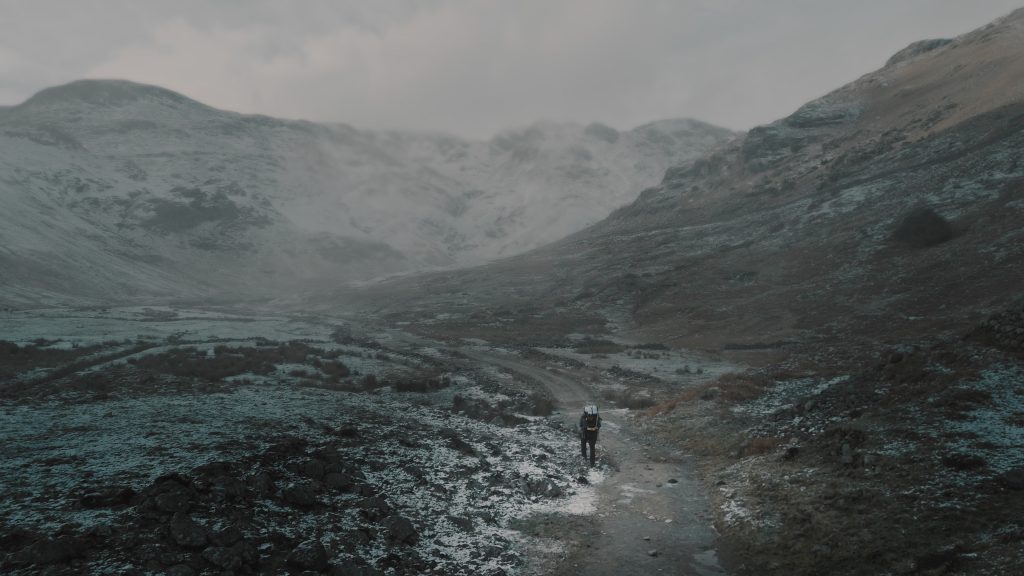
Are you an experienced summer wild camper looking to start venturing out in the colder months? Or perhaps you’ve never wild camped but are being lured by photos on social media of tents pitched amidst pristine white peaks? Even though I personally think winter is a tough season to try wild camping for the very first time, I completely understand that adventure means different things to different people. The hills are quieter, and there is a real appeal to extending your time outdoors in that crisp winter air.
That said, I still encourage people to wait for the warmer months before making their very first attempt. Winter camping brings its own set of challenges, not just in terms of gear but also in the simple practicalities of looking after yourself. You spend far more time inside the tent, you may be dealing with cold, wet hands and you often face environmental obstacles such as icy or flooded footpaths, strong winds and frozen ground. It generally demands a little more experience.
If you are determined to head out, it is worth understanding the considerations that really matter when choosing your kit. With so much jargon and so many statistics to wade through, the whole topic of gear can feel unnecessarily complicated, so I wanted to offer a straightforward guide to the things that genuinely make a difference in winter.
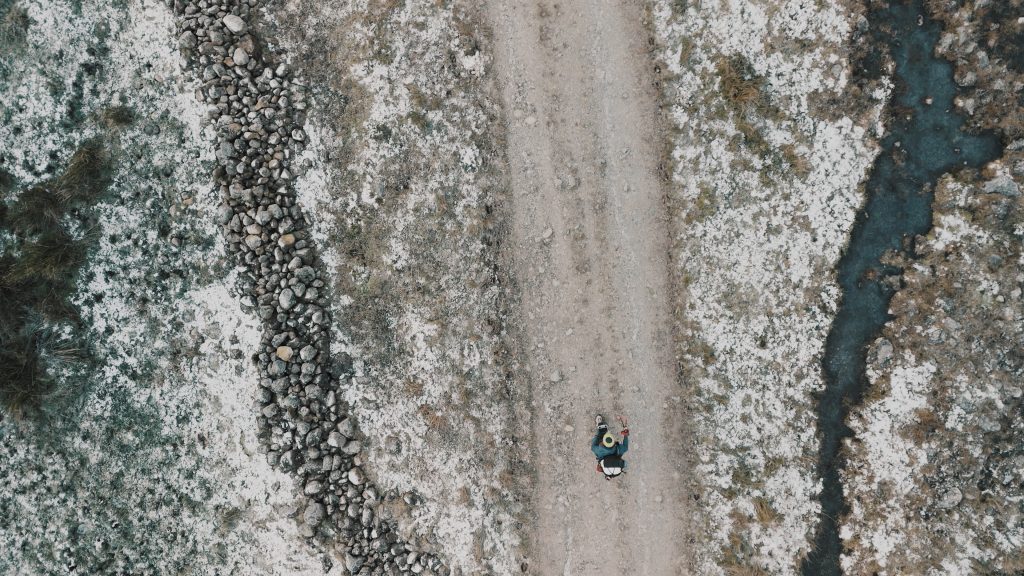
Winter camping is about preparing for the cold and for the unpredictability of shorter days and harsher, often wetter weather. To enjoy that experience, and more importantly to stay safe, your gear needs to keep you warm and dry in whatever the winter throws at you.
Understanding the weather
Before talking about the gear itself, the most important thing about hiking and camping in winter is being aware of the weather. This is broadly true regardless of the time of the year but becomes particularly pertinent during the colder months, because the potential consequences are more significant.
Useful resources for checking the weather:
MWIS Mountain Weather Information Service A useful, regional-overview of expected conditions for the next few days.
Met Office Mountain Weather A little more detailed than MWIS as it includes many summit-specific predictions. However, as with any weather forecast, always still treat this as a rough overview, not gospel.
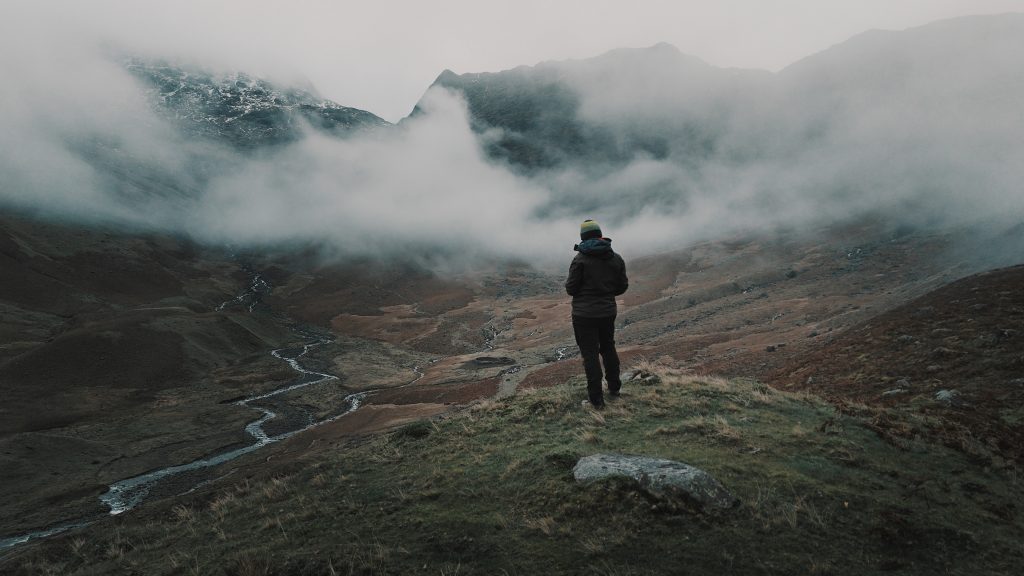
It’s essential to understand that conditions change with an increase in elevation. Broadly speaking, the ambient temperature drops around 1ºC every 100m, but you are also increasingly exposed to windchill, and for this reason, summit camping is generally exposed to the coldest temperatures (apart from the occasional temperature inversion but those are unusual enough to ignore for now).
Consider how the geography of the region you’re going to will be affected by forecast conditions. This does require some experience and understanding of the subject, as well as some local knowledge; do your research before every trip, study the map so you can understand what features of the landscape you’ll encounter and how they may affect the conditions. Summits and open moors are generally the most exposed areas, however it’s essential to understand that some geographical features, like valleys and cols can funnel and accelerate wind even further.
If in any doubt, choose a different location or simply don’t go. There will always be a next time.
Tents
When it comes to tents, stability and weather resistance become far more important than they are in summer (although I’d argue we get pretty rubbish weather all year round here in the UK!).
Winter winds can be strong and persistent, so look for a tent with sturdy poles and a shape that sheds wind easily.
Geodesic tents (tents that have at least three poles which cross over one another) generally have the best strength, but they are usually also the heaviest tents. I wrote a more detailed overview of different tent shapes/designs in my A Beginner’s Guide to Wild Camping Gear article.
As we don’t generally have extreme weather in the UK, I’d say that any tent design can potentially be used in winter here, even at elevation, as long as there’s no significantly poor weather passing through. But durable fabrics and strong poles are essential, as wind can bend and snap poles, and poor quality fabrics can potentially tear in strong winds as well.
Whilst it’s broadly true that cheap “festival” style tents are not suitable for any wild camping, this is especially true in winter. Do not attempt to camp in winter in a £30 popup tent from a supermarket or a mass retailer like Amazon. Most tents are vulnerable to potential damage when wind speeds reach around 25-30mph, and while a tent failing any of time of the year is a problem, a failed tent in winter can potentially be life-threatening.
Winter tent features
I don’t really want to go down the road of recommending specific brands and models, because everyone has different budget considerations, so I think it’s better to discuss instead desirable features for winter tents. That way, you can research options that fit your personal budget with an understanding of what kind of features you’re looking for.
The term “four season tent” generally refers to a tent that’s able to withstand snow-loading; ie the ability to bear the weight of snowfall, which can actually be quite heavy. Many tents, especially more budget tents on non-outdoors sites like Amazon, claim to be four season tents when they are not. It’s definitely become a bit of a marketing buzzword.
Snow-loading ability comes from strong poles, usually at least around 9mm aluminium poles, and strong flysheet fabrics. Four season tents often have thicker guy lines too, for additional strength. Do not assume that since a tent is marketed as a four season tent, that it has winter level performance.
That being said, with the exception of Scottish mountain areas, we don’t generally get very significant snowfall in the UK, so snow-loading may not necessarily be a high priority for you personally. For this reason, you don’t necessarily need a four season tent for the UK; however, there are other characteristics of four season tents that can make cold weather camping more comfortable.
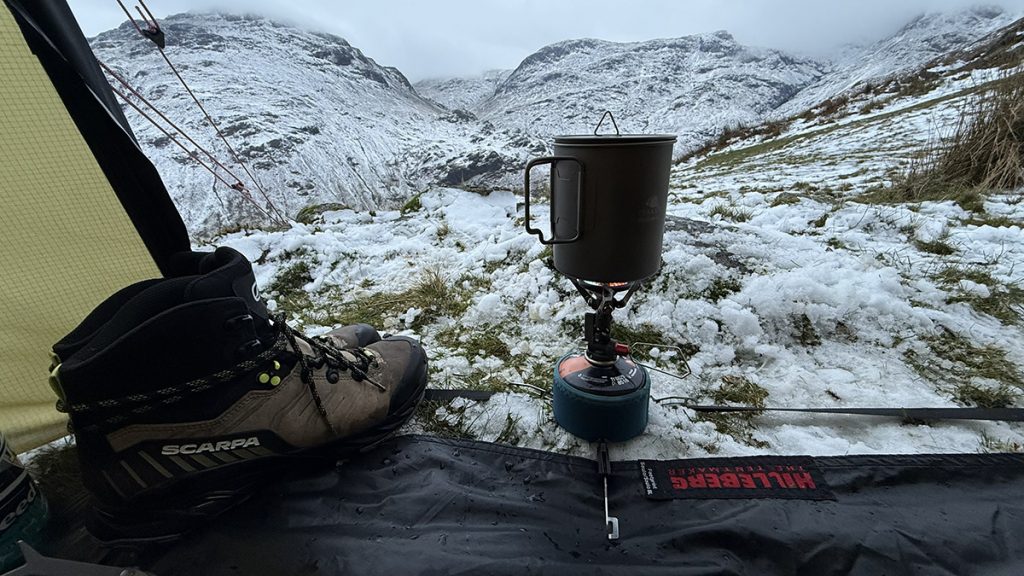
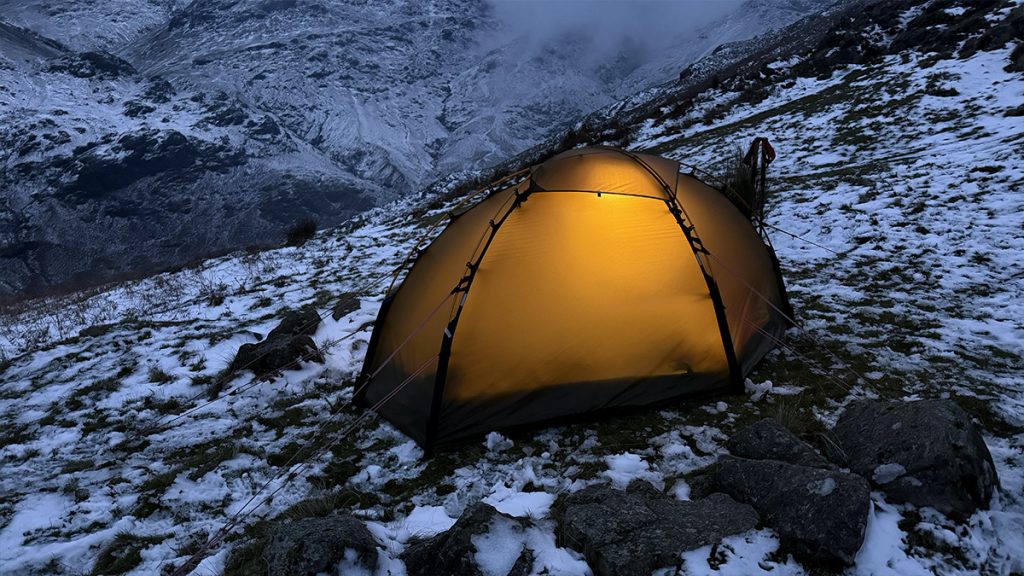
Specific features to look for in a winter tent include a solid fabric inner, as opposed to a total or partial mesh inner, along with that aforementioned strong flysheet, which extends all the way to the ground. Together, these help to retain warmth and reduce draughts that can make a night feel much colder than the temperature suggests, although it’s important to understand that your warmth and comfort should primarily come from appropriate clothing and sleeping gear. The extended flysheet also reduces incoming spindrift and/or rain splashing. A spacious vestibule is particularly useful in cold and wet weather for storing wet gear and carefully cooking while keeping well clear of the inner tent.
Ventilation
Balancing warmth with ventilation is a particular challenge in winter camping. A tightly sealed tent might feel warmer at first, but without reasonable airflow, moisture from your breath may condense on the inner fabric and potentially, in particularly bad cases, leave your sleeping bag and gear damp by morning. The aim is to keep the warm air inside while still allowing enough airflow to carry moisture out.
Using any adjustable vents, keeping at least one doorway slightly cracked, and making good use of fly-to-ground clearance (for example, jamming a pot or bottle or other small item under the flysheet somewhere just to allow some ventilation) all help reduce condensation without sacrificing too much heat. In winter, staying dry is often as important as staying warm, so learning to manage this balance makes your shelter far more comfortable through long, cold nights.
As we don’t have many ticks in winter, and there are generally far fewer other creepy crawlies around, leaving a bit of your inner door open is generally fine.
Lastly, always bring a small cloth or sponge to deal with condensation or indeed any spills in the tent. In fact, a small cloth or sponge should form part of your kit list for any camp, any time of the year.
Pitching tips
Most tents are designed to be pitched in a specific orientation to help them shed wind more effectively. Large panels of fabric behave a bit like sails, so angling the flysheet so that the wind meets the smallest possible surface area reduces strain on the structure. This is often with the foot end facing into the wind but familiarise yourself with the idiosyncrasies of your particular tent before heading out. I find it useful to mark the windward end of my tent with small, brightly coloured loops of cordage so that I can quickly identify it when I’m initially laying my tent on the ground.
Be sure to note any potential change of direction of the wind that may be happening overnight; it may be beneficial to pitch for that, as opposed to the wind direction at the time of pitching.
During particularly cold spells, the ground may harden or even freeze. Because of this, it’s very useful, potentially even essential, to carry tent pegs that deal with this. Nail-style pegs, like the MSR Carbon Core or Easton ones, are especially easy to drive into hard ground. You don’t necessarily need to replace all of your pegs with these, but have enough for some of your main guy lines.
Considering bringing additional guy lines for gusty forecasts. Placing additional lines, especially at the windward side of the tent, can provide additional sturdiness.
Sleeping bags
Winter sleeping bags require careful consideration. Temperature ratings give a useful starting point but remember that people sleep differently and factors like your own personal physiology influence how warm (or cold) you feel. So they’re more of a guideline than an exact science (even though the method in which they’re testing is most definitely scientific, it’s the variables on the user end that muddy things).
Temperature rating
Always buy bags according to their listed Comfort Rating. Not the Comfort Limit, not the Extreme Limit, the Comfort Rating. If a bag doesn’t list any ratings, don’t buy it. If the manufacturer doesn’t mention somewhere, even in small print, which standard the bag has been tested to, contact them to ask; the current testing standard is EN ISO 23537 (although older bags may still show the older testing standard name EN 13537). If they are unable or refuse to provide this information, don’t buy it.
Choose a bag that has a comfort rating suitable for the coldest temperatures you expect to face. A well fitted hood, a snug draft collar and a reliable zip baffle all help to trap warm air and prevent heat escaping.
Down or synthetic
Down bags offer excellent warmth for their weight, although they require more care to keep dry in prolonged damp conditions. Synthetic bags are bulkier but less vulnerable to moisture. Down bags are generally more expensive than synthetic ones, but are considerably lighter and pack down smaller, for the same warmth.
A lot of folks tend to recommend synthetic bags for the UK because of our wet climate, but I am personally not convinced that this is an important factor in your decision. Many modern down sleeping bags have some measure of hydrophobic treatment, whilst some go even further and add waterproof fabrics to the hood and footbox of the bag, as these are the areas most likely to come into contact with your tent, and therefore potentially accumulate moisture.
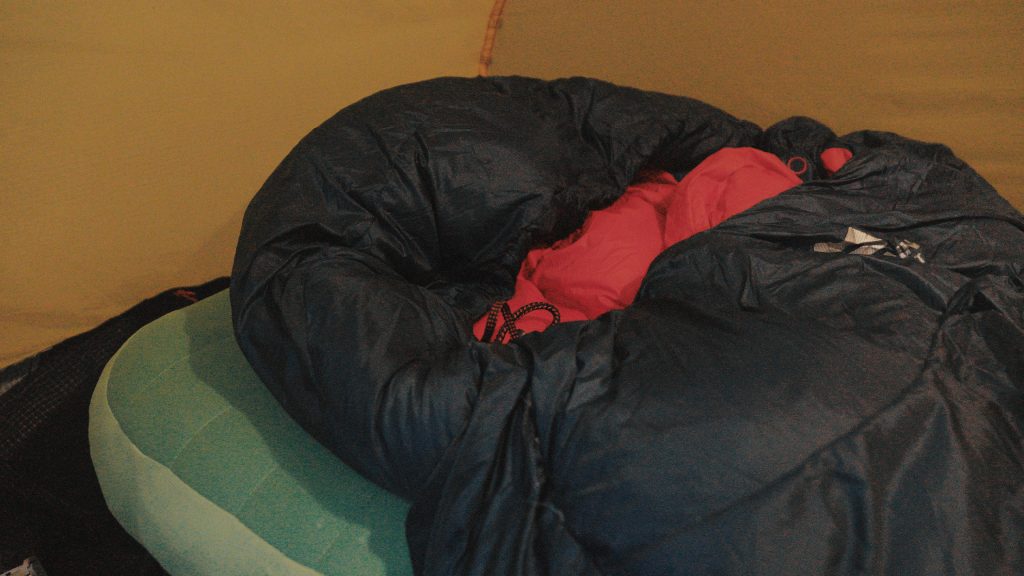
Goose down generally offers a higher warmth to weight ratio because the clusters tend to be larger, which means better loft and insulation. Duck down is usually more affordable and still provides excellent warmth, although it may require slightly more fill to achieve the same performance as high quality goose down.
Fit
Fit is often overlooked but makes a significant difference to warmth. A bag that is too large creates dead space that your body must heat, while a bag that is too tight restricts movement and feels uncomfortable. Whilst many people find the mummy-shaped bags constrictive, the close fit does retain heat more efficiently because of the reduced dead space. Women’s specific bags or shorter lengths can be a good option for smaller campers who want to maximise warmth without unnecessary volume. Trying a bag on before buying is helpful, especially if you are new to winter camping or upgrading to a colder rating, and many outdoor shops do have stock that you can try out.
Liners
Many manufacturers make sleeping bag liners to go with their bags. These range from silk to more fleecy fabrics of various weights. Most of them make quite exaggerated claims about their thermal contributions to your sleep system, but personally I do quite like them as they make my bag feel a bit cosier and also helps to keep the fabric on the inside of my sleeping bag cleaner. Whether or not you choose to use one is a personal choice; they’re not critical for warmth.
Your sleeping bag is just one part of a larger system
Another factor worth thinking about is how well all your gear works together. A warm sleeping bag cannot perform properly on an uninsulated mat, and even the best mat will not help much if cold air is funnelling through a poorly sealed tent. Winter camping relies on each part of your system supporting the others. When you choose your gear, think in terms of a complete setup rather than isolated pieces.
Ultralight Outdoor Gear has a useful guide to choosing a sleeping bag here.
Sleeping mats
Your sleeping mat is just as important as your sleeping bag in winter because so much heat is lost to the ground. In cold conditions, insulation beneath you is crucial. Look for mats with a high R value, preferably 4.0 and up, which is the measurement used to indicate resistance to heat loss.
As with sleeping bags, if there is no thermal rating listed, do not buy it.
Inflatable mats with internal insulation or reflective layers tend to offer the best warmth to weight performance, although some campers like to pair a foam mat with an inflatable one for extra protection and reliability. The R values of mats do “stack” as well. The key point is to create a barrier that stops the cold earth draining your body heat through the night.
Once again, Ultralight Outdoor Gear has an excellent guide to choosing a mat here.
Clothing
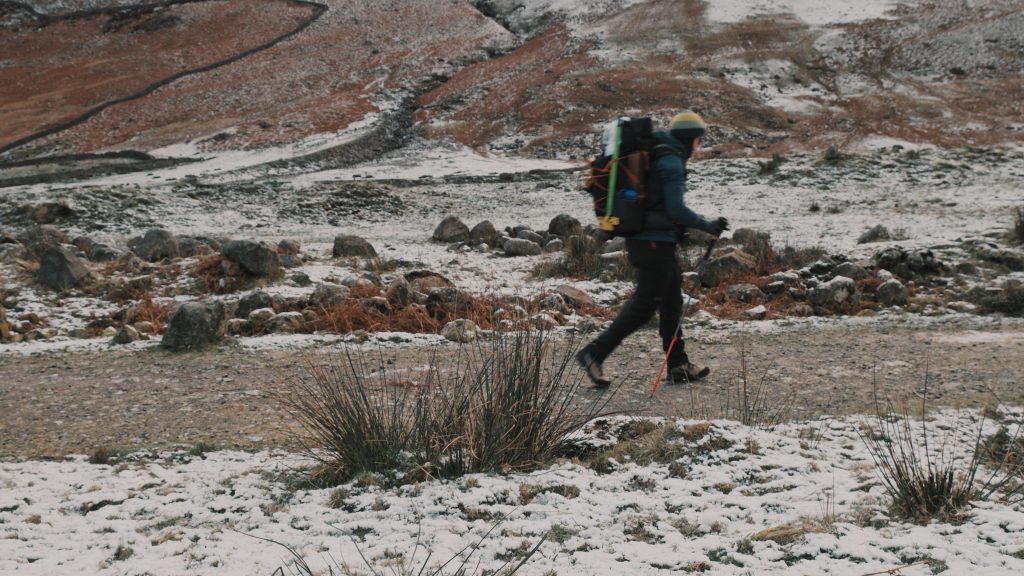
As most wild campers are likely already experienced hikers, you probably already own decent layers for cold weather exploring. Decent waterproofs and insulating layers are essential during the winter, but when planning for overnight stays, you’ll also want to consider bringing along a few extras.
I always sleep in merino wool thermals. I know some people will just sleep in their walking clothes but personally I think that bringing along fresh items to change into and sleep in makes camping a lot more comfortable and cosy. It also keeps your sleeping gear cleaner.
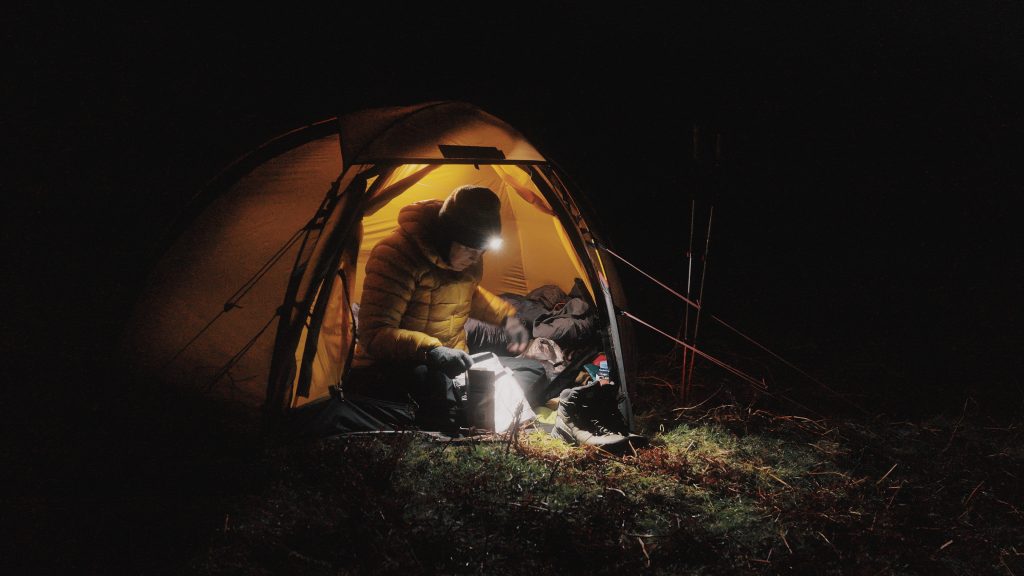
I always bring a down jacket to wear around camp. Depending on expected conditions, I’ll either have my Rab Mythic Alpine jacket (very warm) or my Rab Mythic Ultra jacket (ludicrously warm). I use these particular ones as they’re very lightweight and packable. Depending on your budget and personal considerations, your choices may differ, but the point is that, since you’re generally static, ie not moving, once you’ve set up camp, you will get cold if you don’t have appropriate insulation. It’s not like hiking where you’re generally trying to regulate your temperature to adjust to exertion; with camping, you need something to keep you totally warm.
I also always have soft gloves (as opposed to my tougher hiking gloves), and I’ll often bring a balaclava if the temperature is likely to be below zero. Down socks are useful too!
Always always always bring a spare pair of socks. This is, in my opinion, a non negotiable; even in summer I bring a spare pair. If your socks get wet on your hike in, your chances of them drying out overnight in winter are pretty much zero. To avoid the discomfort of putting on cold, wet socks in the morning, bring a spare pair.
Final thoughts
Winter camping takes a little more planning and self awareness of your own capabilities, and a willingness to extend your comfort zone.
It’s worth pointing out that even for experienced campers, winter camping can be tough. It can even be downright miserable, the kind of “type 2 fun” that makes you question your life choices while you struggle to peg down a tent in freezing sideways rain.
I also think that winter camping is incredibly rewarding. There’s a quiet and solemn beauty to winter that’s unique and wonderful. Pristine, frost coated mornings unfolding around you as you clutch a steaming brew can be every bit as amazing as those lazy summer sunsets.
That said, I do think it’s more suitable for people who are genuinely outdoorsy, for whom camping is simply a convenient way to extend hikes because being in the great outdoors is their primary motivation for doing it. For folks who go out primarily for the camping part, whether it’s for socialising or just getting away from home for a bit, I think it’s more challenging with the greater chance of being a terrible experience. It’s all a matter of balancing risk with reward, and that’s a deeply personal decision to make.
Here’s a few more last tips to consider.
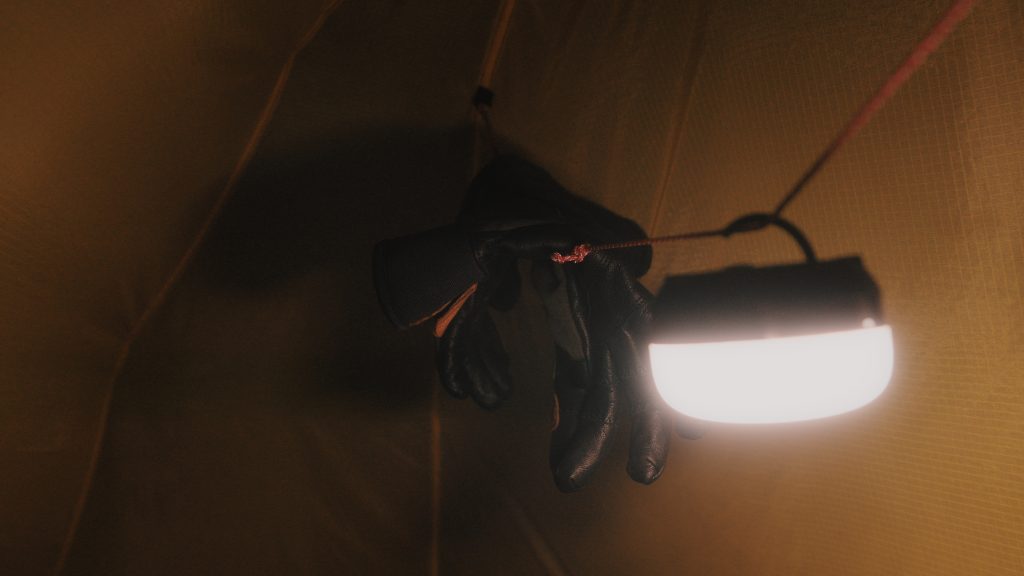
Bring a lantern for your tent. With sunset a lot earlier in the cold months, you spend a lot more time in the tent, and in the dark. A lantern makes your tent feel cosier and comforting. Some people will simply use their head torch as a lantern, but personally I prefer to have a dedicated lantern so that I can reserve my headtorch battery in case I need to hike in the dark.
Cold temperatures drain batteries quicker. You might want to bring a more powerful power bank than you ordinarily would to compensate for this; additionally, insulate your electronic items once camped. Stick them in socks or whatever you have that’ll protect them a bit from the frigid temperatures.
On that note, do not leave items in your tent vestibule that are vulnerable to the cold. Stick your gas canister in your sleeping bag with you, or bundled inside some clothing. Keep your water supply near your body to prevent it freezing.
Have something that helps you pass the time. Because you’re spending extended hours in the tent, sometimes in particularly poor weather, it helps to have a book or some films/TV series on your phone.
You might want to consider buying a higher performance gas canister for your cooking set. Some gas performs better in cold conditions than others. Additionally, be aware that piezo igniters (whether handheld or the ones built into certain stove systems) generally don’t work once the temperature gets much below 5ºC. So bring a regular lighter or flint.
Bring plenty of food and warm drinks. It’s important to note that sleeping bags don’t generate heat, they maintain it. So climbing into a sleeping bag if you’re cold isn’t going to miraculously suddenly make you toasty; ideally you’ll want to feel warm before climbing into bed. A warm meal or drink really helps with this.
Most camping/outdoor shops sell little single use hand warmer sachets. It can be useful to keep a few of these in your pack. You can get reusable, battery-powered ones too, and they can generate a surprising amount of heat.
Lastly, nobody enjoys getting layered up to go outside in the middle of the night for a wee. Bring a wee bottle, use that and empty it somewhere appropriate in the morning.
Stay safe, stay wild and happy adventuring!




Leave a Reply